Automobile Components
Improving load-carrying capacity, wear resistance, and high-cycle fatigue life of critical shafts, gears, valves, and precision engine fittings.
The Challenge and Solutions
Automotive parts are engineered to perform under strict tolerances. Over time, friction, mechanical loading, and exposure to oils or environmental elements lead to surface degradation. Shital Plasma Nitriding is a critical process for automotive manufacturers, providing a functional surface that improves the load-carrying capacity and fatigue life of critical components.
By forming a precise, wear-resistant compound layer over a tough diffusion zone, we protect critical moving parts from premature friction-induced failure.
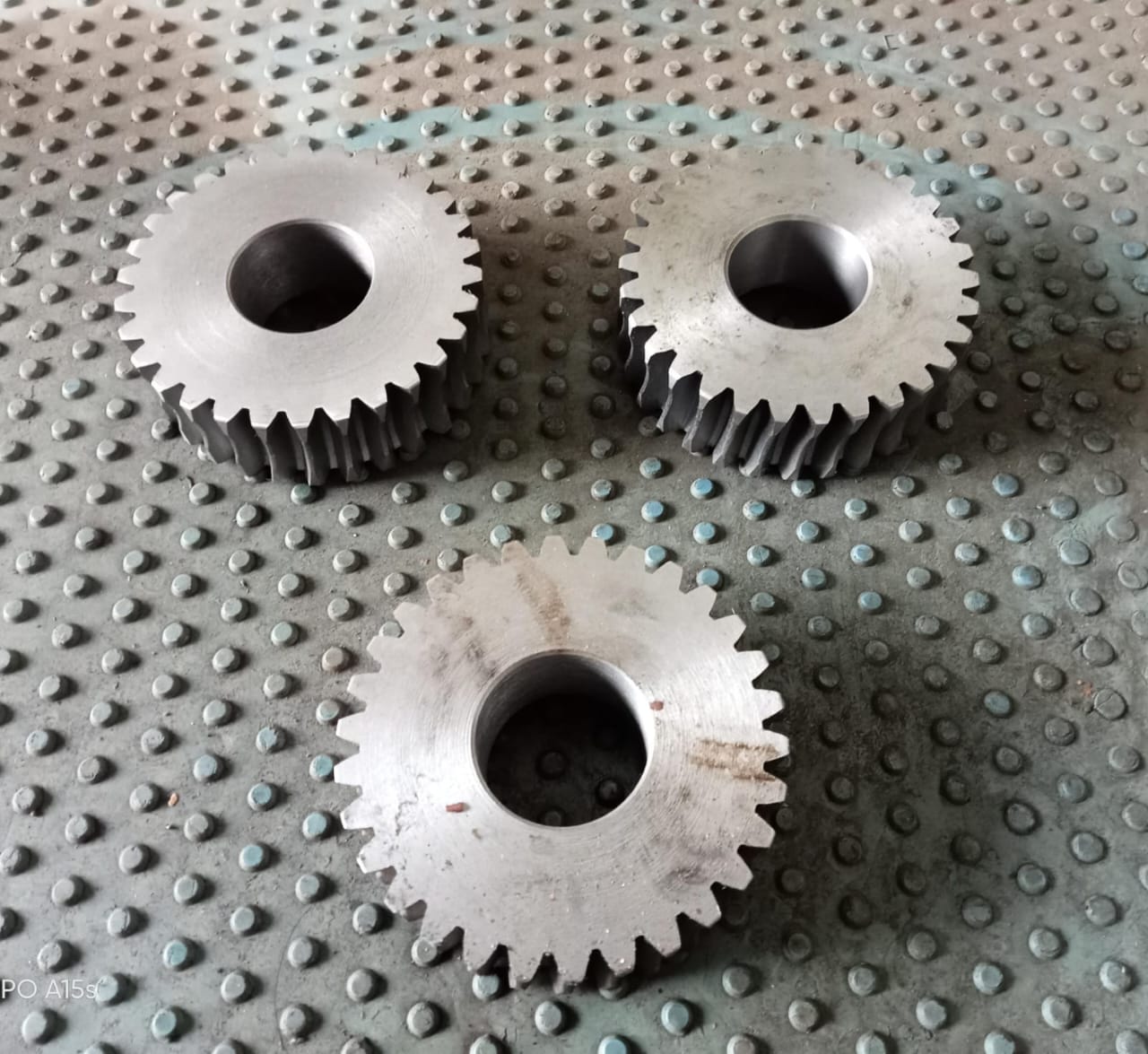
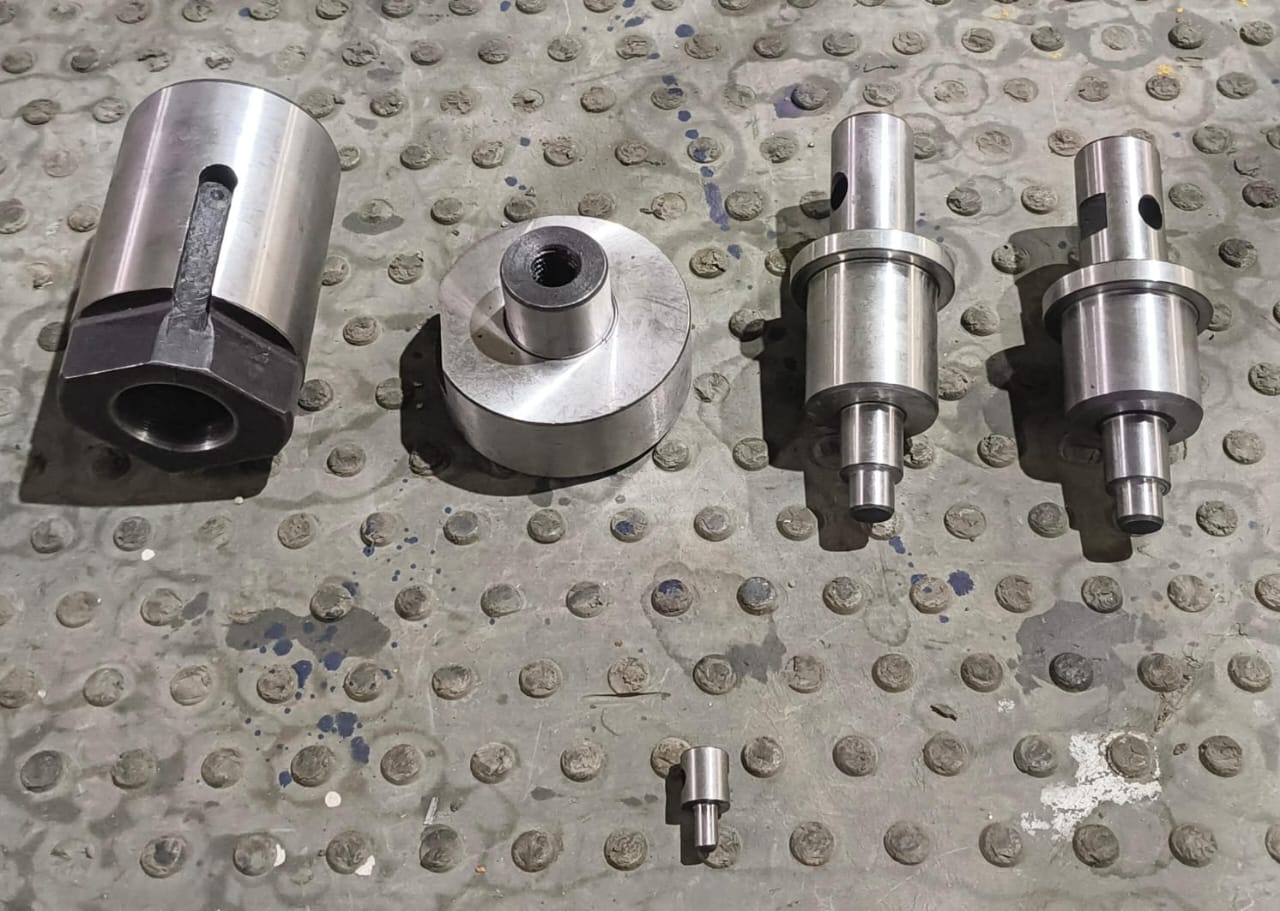
How We Solve Automotive Component Challenges
| Problem Faced | Mechanism of Plasma Nitriding Solution |
|---|---|
| Scratch Mark | Produces a superior surface finish with high lubricity, reducing friction between mating parts and preventing the development of surface scoring or scuffing. |
| Wear & Tear | Creates a hard, diffusion-strengthened surface that resists abrasive and adhesive wear, significantly extending the service life of gears, shafts, and bushings. |
| Corrosion of Components | Establishes a dense, inert nitride barrier that protects components against oxidation, moisture, and the corrosive additives found in lubricants and fuels. |
Material Specifications for Automotive Components
Automotive components are manufactured from diverse materials, including alloy steels for gears and stainless steels for fuel system parts. The following specifications are tailored to ensure that these components meet the high-cycle fatigue requirements of modern vehicles.
| Material / Grade | Application Area | Target Surface Hardness | Recommended Case Depth |
|---|---|---|---|
| AISI 4140 / 4340 | Shafts, Gears & Axles | 600 – 750 HV | 0.20 – 0.40 mm |
| AISI 8620 | Case-Hardened Gears | 700 – 850 HV | 0.25 – 0.50 mm |
| Cast Iron | Cast Iron Body | 450 – 800 HV | 0.05 – 0.10 mm |
| Low Alloy Steels - 16MnCr5 / 20MnCr5 | Components | 600 – 700 HV | 0.10 – 0.25 mm |
| MS / C45 / En8 | Components | 300 – 450 HV | 0.05 – 0.10 mm |
| En19 / En24 | Components | 600 – 800 HV | 0.10 – 0.30 mm |
| Nitriding Steels (e.g., 34CrAlNi7) | High-Stress Engine Components | 950 – 1150 HV | 0.20 – 0.45 mm |