Oil & Gas Components
Creating deep, diffusion-hardened metallurgical barriers to resist aggressive sour gas (H2S) corrosion and severe drill string abrasion [1].
The Challenge and Solutions
Equipment such as drill strings, valves, pump components, and wellhead assemblies face relentless mechanical wear and aggressive chemical attack. Conventional hardening often fails to provide the necessary combination of depth and corrosion resistance.
Shital Plasma Nitriding excels here by creating a deep, diffusion-hardened layer that not only resists abrasive wear but also provides a metallurgical barrier against chemical degradation, significantly extending the Mean Time Between Failures (MTBF).
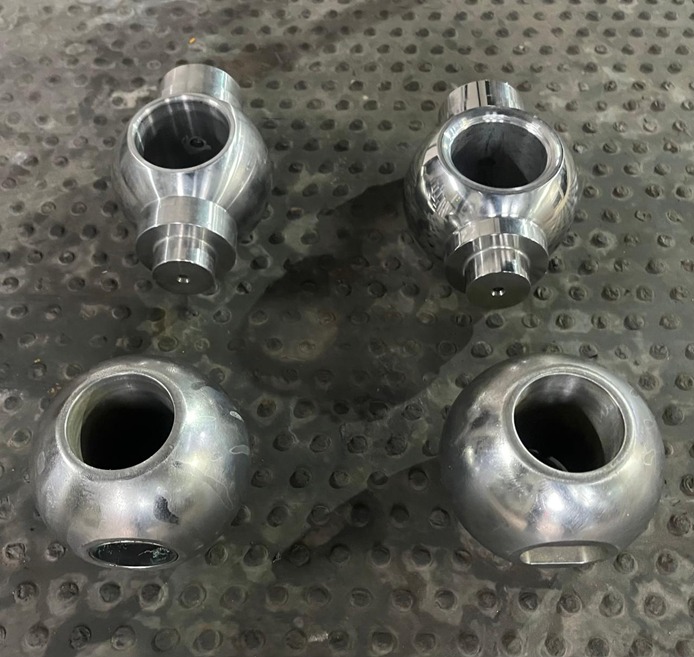
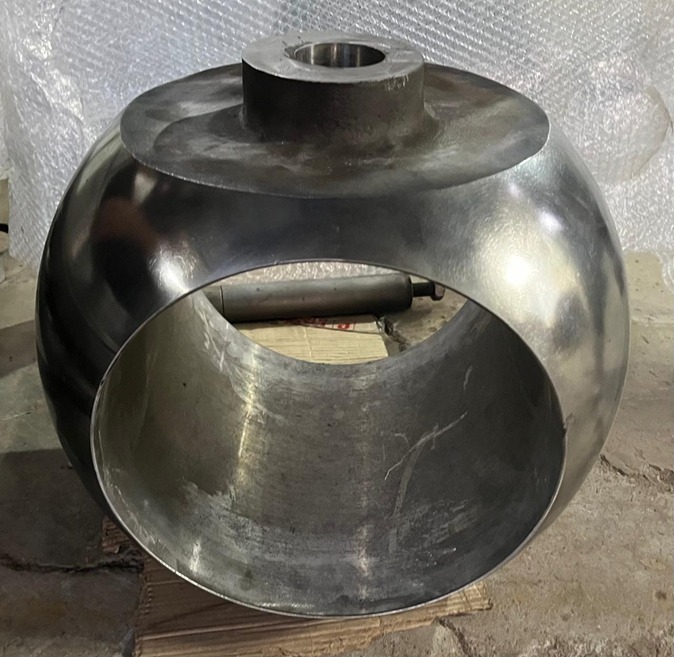
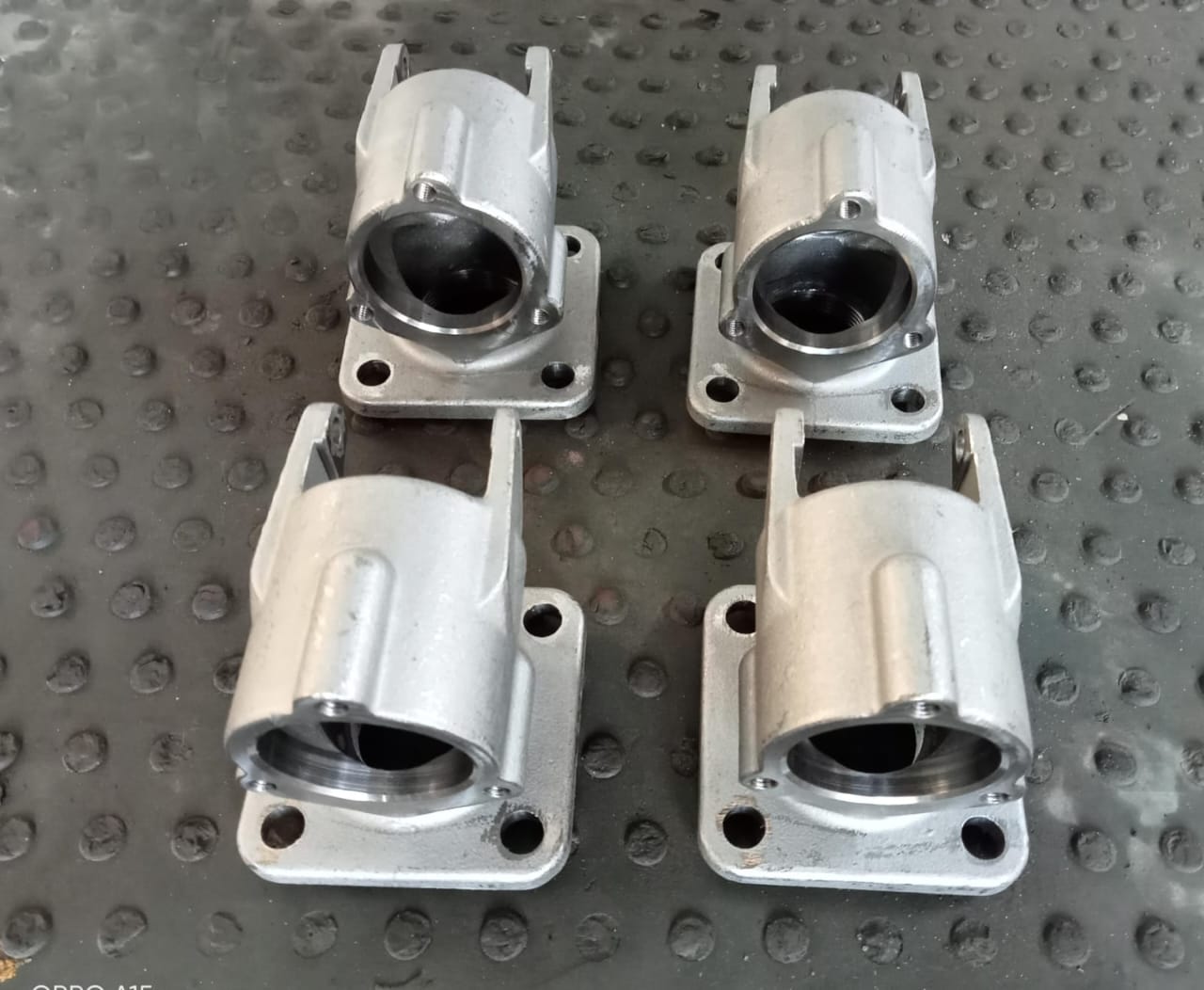
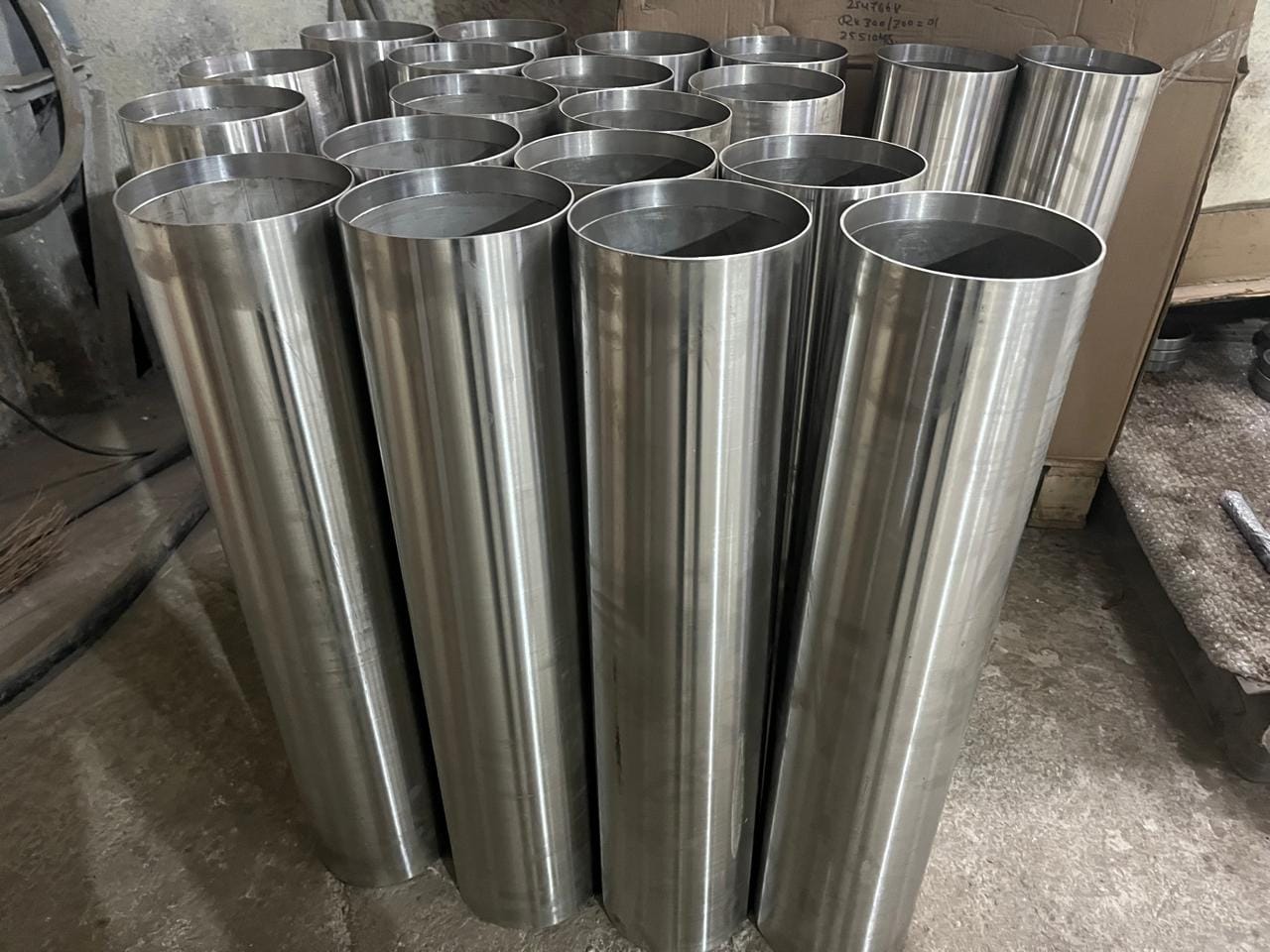
How We Solve Oil & Gas Challenges
| Problem Faced | Mechanism of Plasma Nitriding Solution |
|---|---|
| Scratch Mark | Produces an extremely hard surface that resists mechanical damage from rock cuttings, sand, and debris, maintaining the integrity of sealing surfaces and threads. |
| Wear & Tear | Creates a deep diffusion-hardened case that withstands severe sliding abrasion and erosion, critical for components like mud pump pistons and valve trims. |
| Surface Corrosion | Forms a chemically inert, dense nitride layer that protects against environmental pitting, oxidation, and "sour gas" (H2S) corrosion common in drilling operations [1]. |
Material Specifications for Oil and Gas Components
In the oil and gas sector, materials must balance extreme surface hardness with core toughness to prevent brittle failure under heavy loads. The following specifications target the materials most commonly used for high-performance drilling and extraction equipment.
| Material / Grade | Application Area | Target Surface Hardness | Recommended Case Depth |
|---|---|---|---|
| AISI 4140 / 4145 | Drill Collars & Couplings | 650 – 800 HV | 0.30 – 0.60 mm |
| AISI 8620 / 4340 | Gears, Shafts & Valves | 700 – 850 HV | 0.30 – 0.50 mm |
| 17-4 PH / 13-8 PH Stainless | Subsea Control Components | 900 – 1100 HV | 0.15 – 0.30 mm |
| SS 300 Series / SS 400 Series / Duplex | Valve / Pipes / Components | 900 – 1100 HV | 0.05 – 0.10 mm |