Rubber Moulding Dies
Creating chemically inert, wear-resistant, and low-friction diffusion layers to prevent vulcanized rubber adhesion and carbon build-up.
The Challenge and Solutions
In rubber moulding, the curing process often involves high temperatures and chemically reactive compounds that can cause vulcanized rubber to adhere stubbornly to the mold surfaces. This leads to cycle delays, part deformation during extraction, and the rapid degradation of mold details due to carbon build-up and abrasive fillers.
Shital Plasma Nitriding is an ideal solution for rubber moulds, as it creates a hard, diffusion-bonded surface that is both chemically inert and wear-resistant, significantly improving mold release properties and extending intervals between maintenance cleanings.
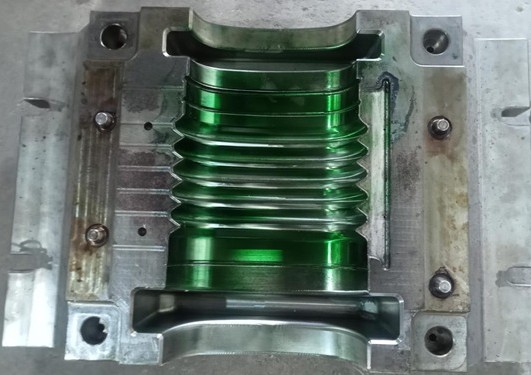
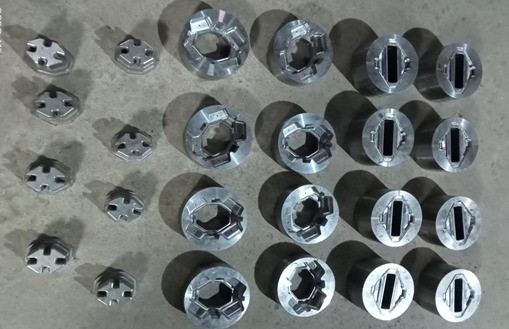
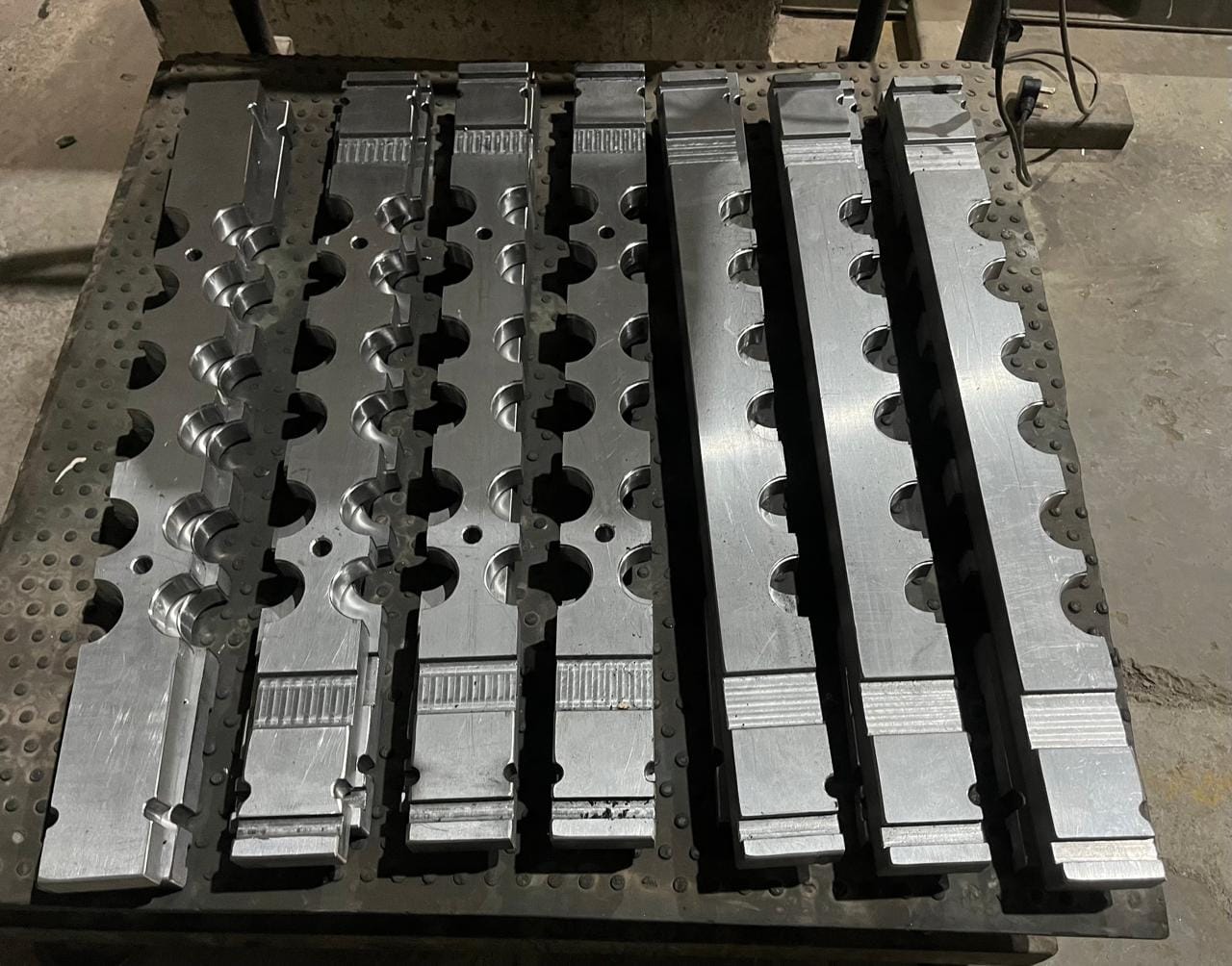
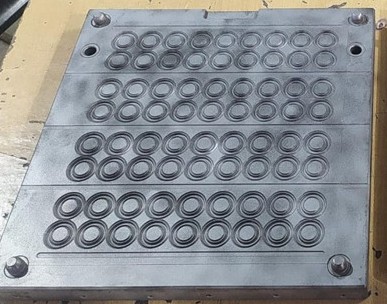
How We Solve Your Rubber Moulding Challenges
| Problem Faced | Mechanism of Plasma Nitriding Solution |
|---|---|
| Sticking of Rubber | Produces a low-friction surface finish that prevents vulcanized rubber from bonding to the mold, ensuring cleaner part release. |
| Flash Groove | Enhances the hardness of shut-off faces and grooves, maintaining sharp, clean edges that minimize unwanted rubber flash. |
| Abrasion | Provides a high-hardness diffusion zone that resists wear from highly filled rubber compounds and mineral-based reinforcing fillers. |
| Anti Carbon Layer | Prevents the build-up of carbonized rubber residues, reducing the need for aggressive cleaning that can damage mold dimensions. |
| Corrosion of Dies | Establishes a highly dense, corrosion-resistant surface that stands up to the chemicals and corrosive byproducts released during the vulcanization process. |
Material Specifications for Rubber Moulding
Rubber molds often utilize a variety of materials ranging from low-alloy steels to stainless grades. The following specifications are tailored to ensure that these materials maintain their dimensional accuracy and surface integrity during high-volume production.
| Material / Grade | Application Area | Target Surface Hardness | Recommended Case Depth |
|---|---|---|---|
| P20 (1.2311 / 1.2312) | Standard Mould Bases | 750 – 900 HV | 0.15 – 0.25 mm |
| Mild Steel / Carbon Steel | General Purpose Moulding | 700 – 850 HV | 0.20 – 0.35 mm |